

Research Bite #68: Worked Examples and Self-Explanation Prompts: Elementary Students’ Mathematics Motivation and Error Perceptions
Megan Botello, Kamal Chawla, Kelly M. McGinn & Christina Areizaga Barbieri


Let’s dive into this week’s paper…
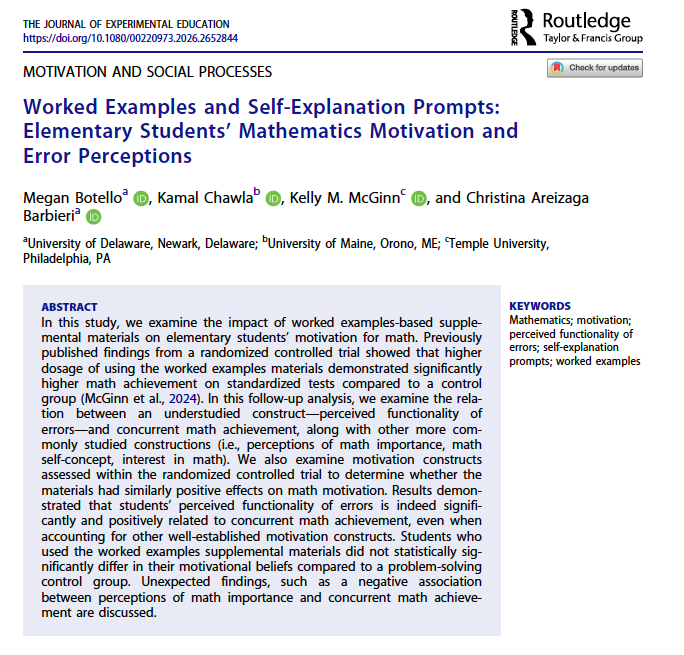
Title: Worked Examples and Self-Explanation Prompts: Elementary Students’ Mathematics Motivation and Error Perceptions
Authors: Megan Botello, Kamal Chawla, Kelly M. McGinn & Christina Areizaga Barbieri
Access the original paper here
Watch a video overview:
Paper summary
This study followed up on a US randomised controlled trial of MathByExample — supplemental maths worksheets that alternate correct and incorrect worked examples with self-explanation prompts. The original trial showed the materials raised standardised test scores; here the researchers asked whether they also shifted students’ motivation. Using data from 1,230 fourth and fifth graders, they examined four beliefs: maths self-concept, interest, perceived importance, and a less-studied one — perceived functionality of errors (how useful students think mistakes are). Two findings stand out. First, the error belief positively predicted maths achievement, even after accounting for the others. Second, despite their proven learning benefits, the materials produced no significant change in any of the four motivation measures across the school year.
If teachers remember one thing from this study, it should be…
How students view their own mistakes is linked to how well they do in maths, but those views don’t shift just by exposing children to errors. Building a classroom where errors are genuinely treated as useful learning tools takes deliberate, sustained effort, not just incorrect examples on a worksheet.
***Paper Deep Dive***
What are the key technical terms used in the paper?
Worked examples: fully worked-out problem solutions students study rather than solve.
Self-explanation prompts: questions asking students to explain the reasoning in a worked example.
Perceived functionality of errors: how useful students believe mistakes are for learning.
MathByExample: the study’s worksheets mixing correct and incorrect worked examples.
What are the characteristics of the participants in the study?
1,230 US elementary students — 709 in Grade 5, 521 in Grade 4 — across 58 classes in 17 schools and five districts, taught by 37 teachers. The sample was 57.4% male, 32.9% female; 52% were from underrepresented minority groups. Classes were randomly assigned to the materials or a control.
What does this paper add to the current field of research?
The benefits of worked examples for learning are well established. This study breaks new ground as the first to show that students’ beliefs about the usefulness of errors predict maths achievement in primary-aged children — previously only shown in secondary students — and by testing whether a learning-focused intervention also shifts motivation.
What are the key implications for teachers in the classroom?
How students view errors is worth cultivating — but treat the link with care. Children who saw mistakes as useful for learning tended to have stronger maths knowledge, over and above their confidence or interest. The practical takeaway isn’t a new programme; it’s the everyday habit of treating a wrong answer as something to analyse out loud rather than something to move past quickly.
Don’t assume error-friendly materials will change error-friendly beliefs. This is the study’s sharpest lesson. The same worksheets had previously raised test scores, yet a full year of working with incorrect examples shifted none of the four motivation beliefs — including the one about errors. If you want students to genuinely believe mistakes help them learn, you likely have to say so explicitly and repeatedly, not hope it rubs off from exposure.
Use deliberately incorrect worked examples as a teaching tool. Show a worked solution that contains a common error, clearly flag it as wrong, and ask students to find and explain the mistake. Using a fictitious student’s error (as the study did) keeps it low-stakes — it sidesteps the embarrassment that can come with analysing your own or a classmate’s slip.
Be cautious about leaning too hard on “maths is important.” In a surprising result, students who rated maths as more important actually scored slightly lower. The authors suspect pressure may be at work. It’s a tentative finding, but a useful nudge: emphasising the interest and usefulness of maths may serve students better than stressing how vital it is that they’re good at it.
Why might teachers exercise caution before applying these findings in their classroom?
The achievement link is correlational and measured at a single point in time, so we can’t say that viewing errors as useful actually causes higher attainment. The groups also differed at baseline, the study ran for one US school year, and how errors are handled varies across cultures, all of which limit how far the findings travel.
What is a single quote that summarises the key findings from the paper?
“Our findings highlight that despite significant learning gains, perceived functionality of errors, self-concept, interest, and perceptions of importance remained stable, indicating that students’ beliefs about their math abilities may be more resistant to change than their actual performance.”
What questions does it make you want to ask?
Let me know in the comments below
🏃🏻♂️Before you go, have you… 🏃🏻♂️
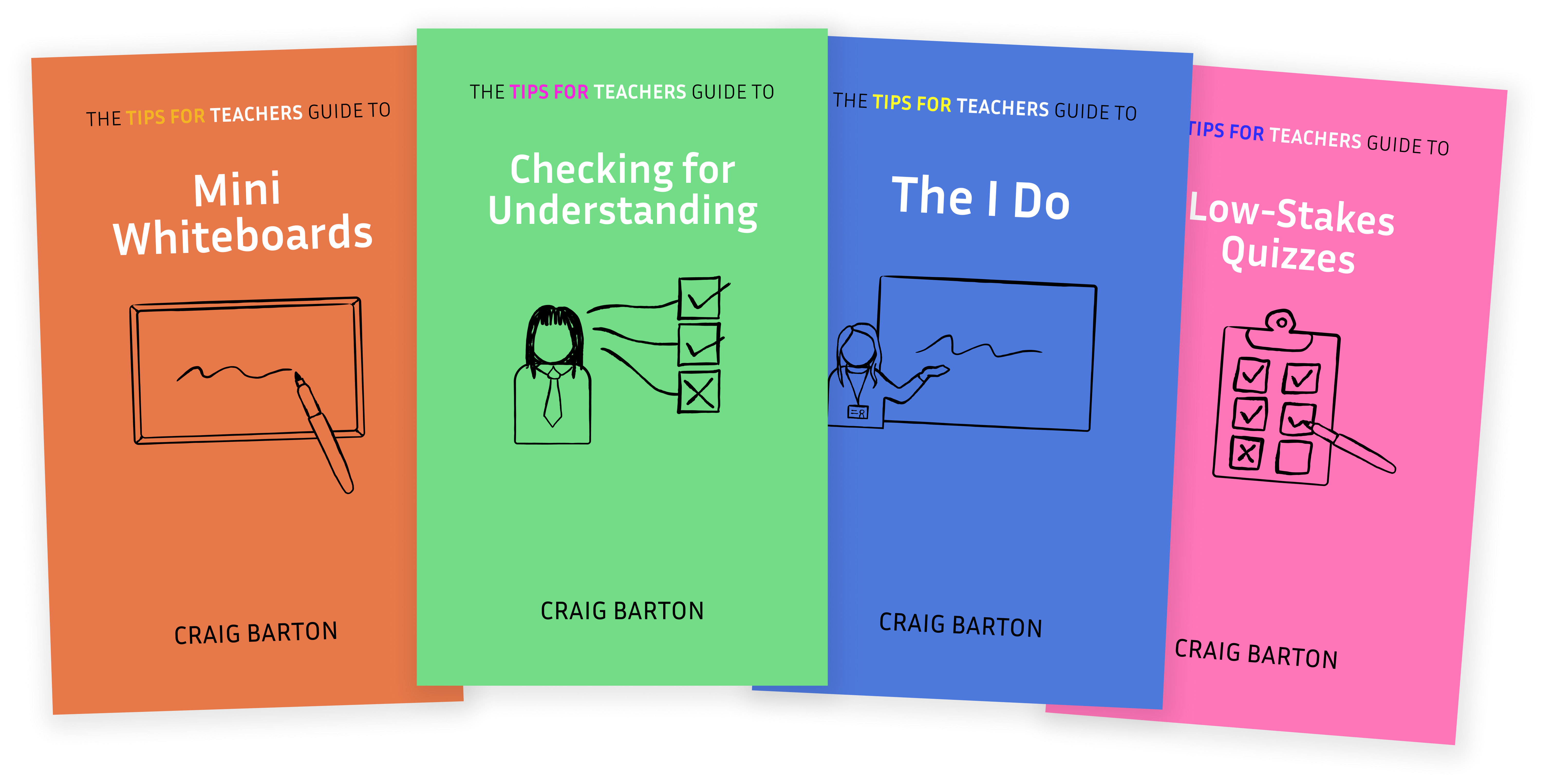
… checked out my brand-new book series: The Tips for Teachers guides to…
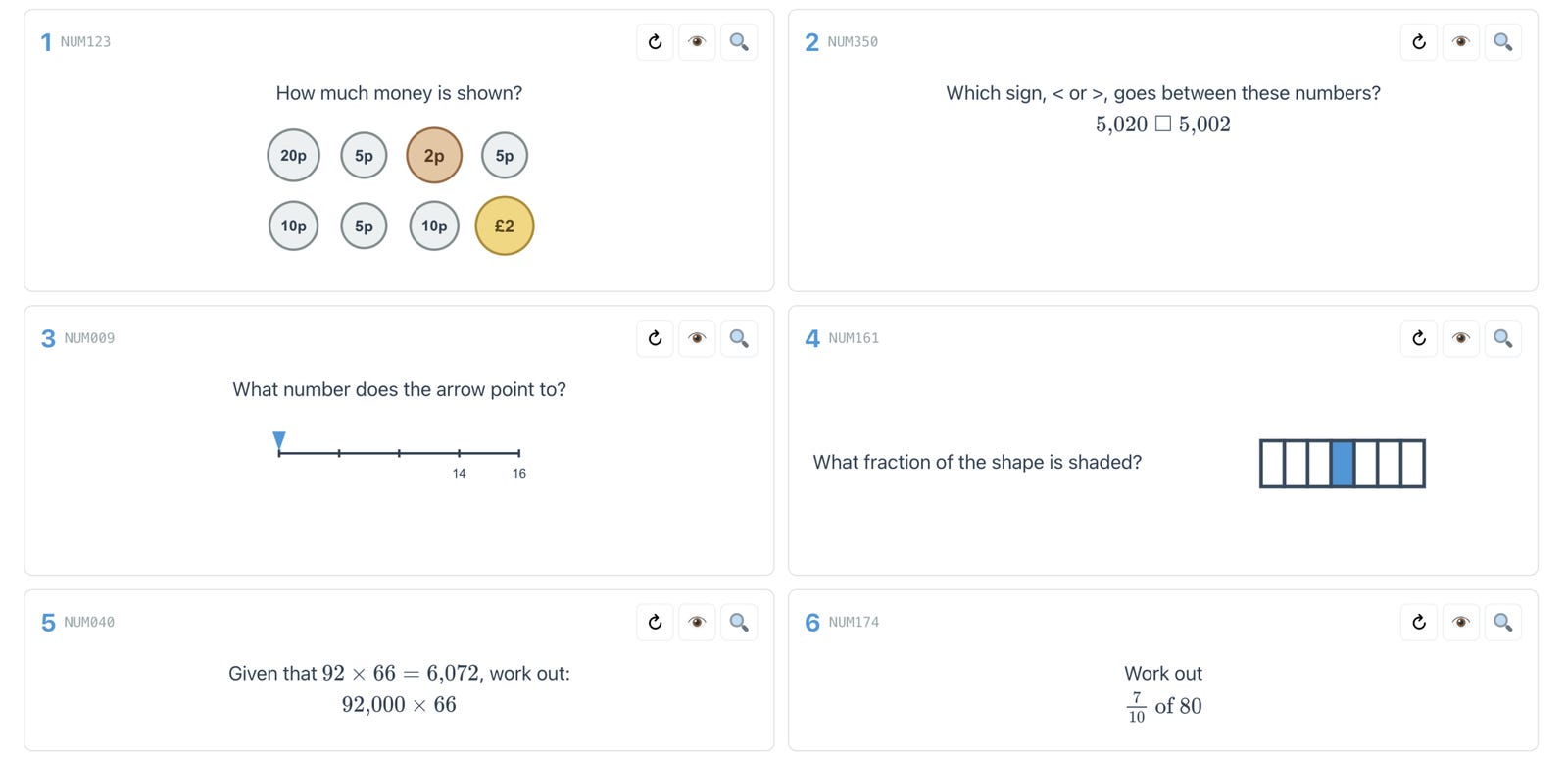
And checked out my new Ultimate Retrieval Tool on Mr Barton Maths
I haven’t read the paper, but commenting on your summary, it’s really interesting to see that self-concept is decoupled from achievement. This, if true would be significant for leaders here in Australia, where we are being told to enhance and assess for engagement, creativity and other dispositions. Perhaps what really matters is having a good teacher?
Thanks for your coverage of research. It’s always interesting and very informative.